Source eco friendly lined french terry hoodie for Home, Sport, Gym
Compare 30 listings for eco friendly lined french terry hoodie options featuring custom logos, various sizes, and breathable materials. Buyers can evaluate specifications like sleeve length, pocket types, and production lead times from suppliers in China.
Key considerations
Products List


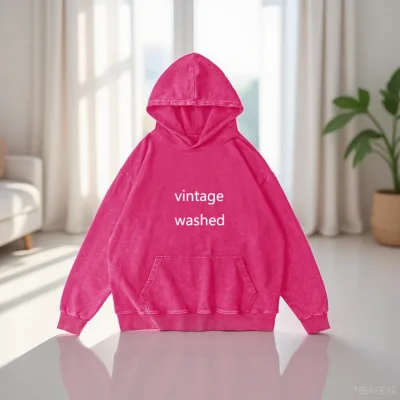
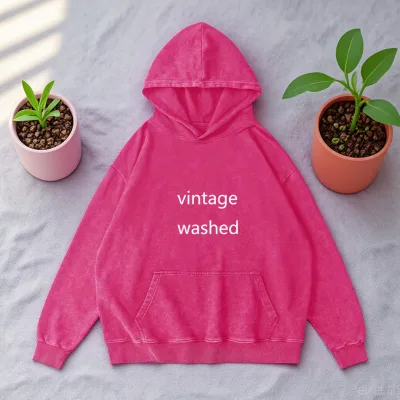


Comprehensive Sourcing Guide
Eco Friendly Lined French Terry Hoodie Sourcing Guide
Sourcing eco-friendly lined French terry hoodies requires a nuanced understanding of material composition, manufacturing techniques, and supply chain transparency. The term "eco-friendly" is often used loosely in the apparel industry, so buyers must distinguish between genuine sustainable practices and superficial marketing claims. This guide focuses on the specific attributes observed in current market listings, such as cotton blends, custom logo options, and specific production origins, to help procurement teams make informed decisions. By aligning expectations with verified product data, buyers can mitigate risks associated with greenwashing and ensure that the final product meets both environmental standards and functional requirements.
The following sections provide a structured approach to evaluating suppliers and products in this category. We will examine the observed product scope, technical specifications, compliance documentation, cost drivers, supplier qualification, and long-term procurement checks. Each section is designed to offer actionable advice based on the provided facts, ensuring that buyers have a clear roadmap for sourcing high-quality, sustainable hoodies. The goal is to empower procurement professionals with the knowledge to ask the right questions and verify critical details before committing to large orders.
Product Scope and Observed Listing Signals
The current market for lined French terry hoodies presents a diverse range of options, with observed listings indicating a price range of $3 to $18.99 USD and a minimum order quantity (MOQ) ranging from 2 to 500 pieces. This wide variance suggests that buyers can find products suitable for both small-scale prototyping and large-volume production. The presence of low MOQs, such as 10 pieces, indicates that many suppliers are flexible and willing to accommodate smaller orders, which is beneficial for brands testing new designs or launching limited editions. However, buyers should be aware that lower prices may correlate with lower quality materials or less stringent environmental practices.
Observed product attributes reveal a strong emphasis on customization and versatility. Many listings highlight features such as solid patterns, long sleeves, and fixed hoods, with styles ranging from pullovers to sportswear. The availability of custom logos, including print and embroidery options, allows brands to tailor products to their specific identity. Additionally, the inclusion of features like kangaroo pockets and breathable fabrics suggests a focus on comfort and functionality. Buyers should carefully review these attributes to ensure they align with their target market's preferences and brand values.
Technical Specifications to Verify
When evaluating technical specifications, buyers should prioritize the material composition and construction quality of the hoodie. The provided facts indicate that materials such as cotton and polyester are commonly used, with some listings specifying 100% cotton or 100% polyester. It is crucial to verify the exact blend and weight of the fabric, as these factors significantly impact the garment's durability, comfort, and environmental footprint. Buyers should request detailed fabric specifications, including GSM (grams per square meter), to ensure the product meets their quality standards.
Other technical aspects to verify include the sleeve length, hood type, and pocket configuration. The observed listings mention long sleeves, fixed hoods, and kangaroo pockets, which are standard features for this type of garment. However, buyers should confirm the quality of these features, such as the stitching strength and the durability of the embroidery or print. Additionally, the availability of different sizes, including plus sizes, should be confirmed to ensure the product caters to a diverse customer base. Buyers should also inquire about the production lead time, which is typically 2-3 weeks, to plan their inventory and shipping schedules accordingly.
Compliance and Safety Documentation
Compliance and safety are critical considerations when sourcing eco-friendly apparel. Buyers should request documentation that verifies the environmental claims made by suppliers, such as GOTS (Global Organic Textile Standard) or OEKO-TEX certifications. Although the confidence level for these certifications is marked as low in the provided facts, buyers should still seek out suppliers who can provide valid and up-to-date certification documents. This step is essential to ensure that the products are genuinely eco-friendly and meet international sustainability standards.
In addition to environmental certifications, buyers should verify that the products comply with relevant safety standards, such as flame-retardant properties and rip-stop features. The observed listings mention these features, indicating that some suppliers offer hoodies with enhanced safety and durability. Buyers should request test reports or certificates of conformity to confirm that these claims are accurate. Furthermore, buyers should ensure that the suppliers adhere to labor standards and ethical manufacturing practices, as these factors are increasingly important to consumers and regulators.
Cost Drivers and Commercial Terms
Understanding the cost drivers and commercial terms is essential for effective procurement. The observed price range of $3 to $18.99 USD suggests that factors such as material quality, customization options, and order volume significantly impact the final cost. Buyers should negotiate terms that align with their budget and volume requirements, keeping in mind that lower MOQs may come with higher per-unit costs. Additionally, buyers should consider the shipping methods available, such as by sea or by air, and the associated costs and lead times.
Commercial terms also include payment terms, warranty policies, and return procedures. Buyers should clarify these details with suppliers to avoid unexpected costs or disputes. The observed listings mention various shipping methods, including DHL, TNT, FedEx, and sea freight, which offer different levels of speed and cost. Buyers should choose the shipping method that best suits their needs, considering factors such as delivery time, cost, and reliability. It is also important to verify the packaging details, such as the use of paper cartons or OPP bags, to ensure that the products are protected during transit.
Supplier Qualification and Quality Control
Supplier qualification is a critical step in the sourcing process. Buyers should conduct thorough due diligence to assess the supplier's capabilities, reputation, and compliance with ethical and environmental standards. This includes verifying the supplier's production facilities, quality control processes, and track record. The observed listings indicate that suppliers are located in various regions of China, including Shanghai and Guangzhou, which are known for their manufacturing expertise. Buyers should consider the location and infrastructure of the supplier when making their selection.
Quality control measures should be implemented throughout the production process to ensure that the final product meets the specified requirements. Buyers should request samples for evaluation before placing large orders, as the observed listings mention a sample lead time of 5-7 days. Additionally, buyers should consider hiring third-party inspection services to conduct pre-shipment inspections, ensuring that the products meet quality standards and are free from defects. Clear communication with the supplier regarding quality expectations and feedback mechanisms is essential to maintain consistency and improve the overall sourcing process.
Long-Term Procurement Checks
Long-term procurement checks involve continuous monitoring and evaluation of supplier performance and product quality. Buyers should establish key performance indicators (KPIs) to track metrics such as on-time delivery, product quality, and compliance with sustainability standards. Regular audits and reviews of supplier practices can help identify areas for improvement and ensure that the supplier remains aligned with the buyer's values and requirements. The observed listings mention features such as breathability, sustainability, and reversible designs, which should be regularly verified to ensure they are maintained over time.
Building a strong relationship with suppliers is also crucial for long-term success. Buyers should engage in open and transparent communication, providing feedback and collaborating on improvements. This can lead to better pricing, priority production, and access to new innovations. Additionally, buyers should stay informed about industry trends and regulatory changes that may impact the sourcing of eco-friendly apparel. By proactively addressing these factors, buyers can ensure a sustainable and resilient supply chain that supports their brand's growth and reputation.
FAQs
What customization options are available for the logo?
Custom logos are available with options for print or embroidery. The product supports both sublimation and embroidery workmanship to meet specific branding needs for bulk orders.
How long does production take for a bulk order?
Production lead time is typically 2 to 3 weeks after sample approval. This timeline applies to standard manufacturing processes for the hooded sweatshirt and jogger pants design.
What is the minimum order quantity for this product?
The minimum order quantity is 10 pieces for this specific item. Some listings indicate a range from 2 to 500 units depending on the specific supplier configuration.
Which materials are used to make this hoodie?
The product is made from 100% cotton or 100% polyester materials. These fabrics are selected to ensure breathability and comfort for adult wearers in spring and autumn seasons.
Can I get a sample before placing a large order?
Samples are available with a turnaround time of 5 to 7 days. This allows buyers to verify quality and customization details before committing to the full production run.
What shipping methods are supported for delivery?
Shipping is available via DHL, TNT, FedEx, by sea, or by air. The packaging is typically done in paper cartons or poly bags to ensure safe transport of the goods.
Are there specific size options available for buyers?
Sizes range from S to XL and include plus size options. The product adheres to standard sizing specifications to accommodate various body shapes for men and women.